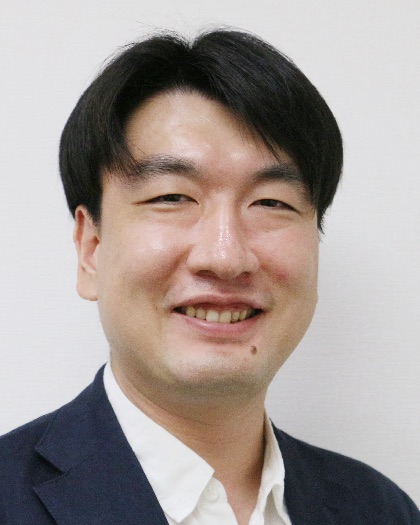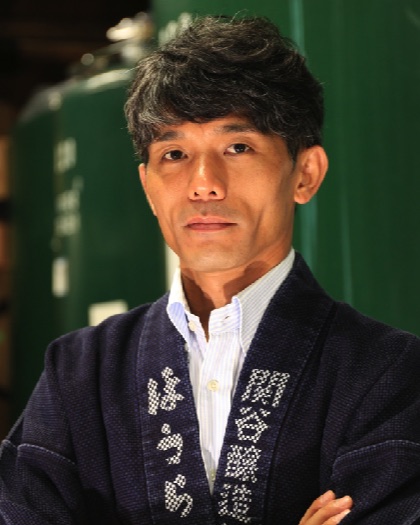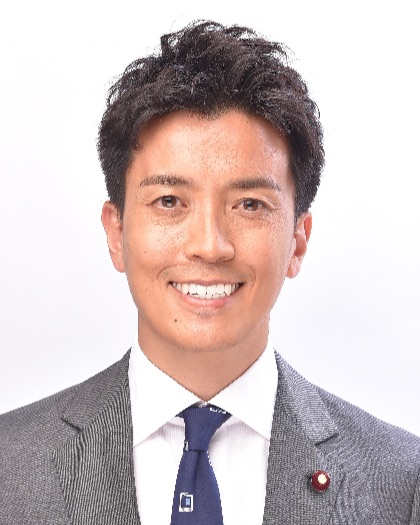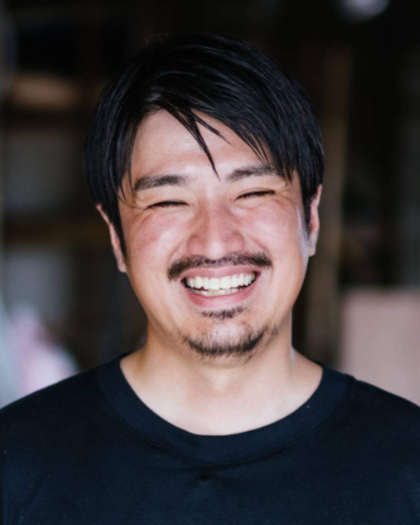
SESSION 110:30–12:00
Into New Markets: How to Compete Globally
Sharing North-America case studies in a high-potential yet fiercely competitive market — the institutional framework for export promotion and transparency in export contracts.
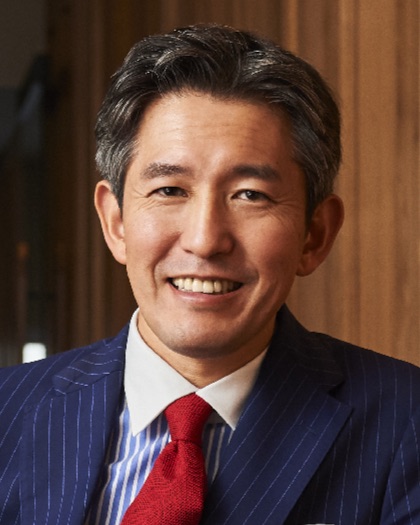
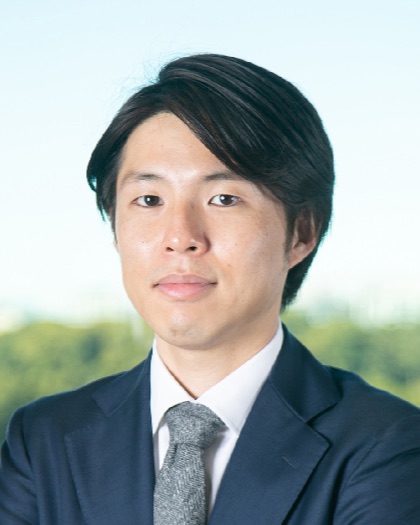
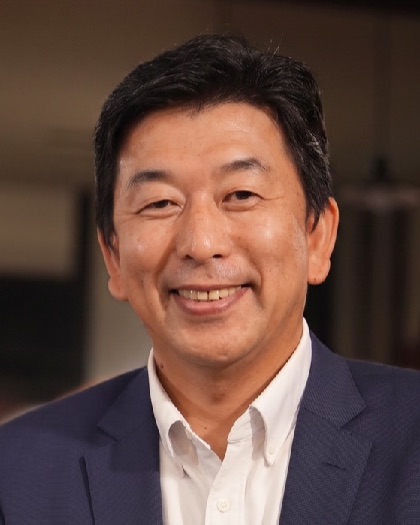
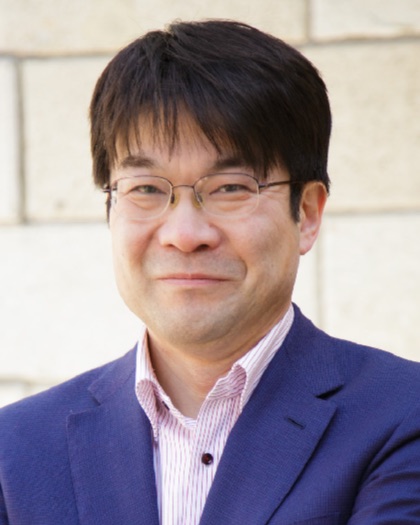
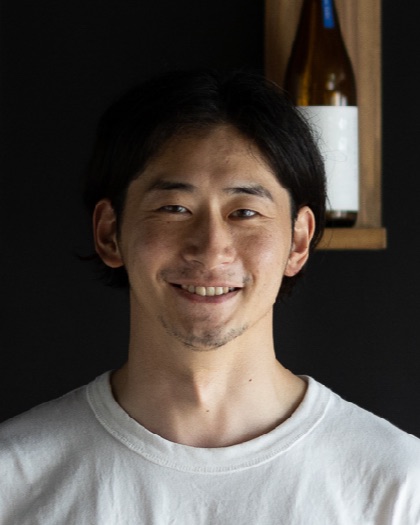
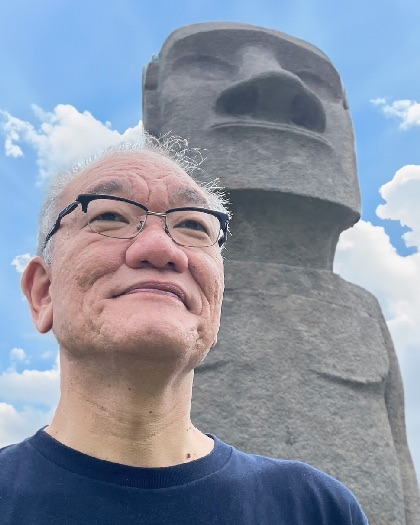
Panelists
Protecting heritage, building industry for the world market.
Protecting heritage, building industry for the world market.
The second edition. What must be done to protect and carry forward sake as living heritage, and to build its industry and brand value in the world market — examined through three lenses: global-market strategy & rule-making, rethinking the sake production license, and business succession & generational change. With speakers from policymakers to brewers, and grounded in a survey of nearly 120 brewers, it is an evidence-based dialogue.
9 sessions over 3 days, each interrelated, converging on the core of the industry's structural challenges. Last year's SLS2025 drew a cumulative 3,995 attendees.
Sharing North-America case studies in a high-potential yet fiercely competitive market — the institutional framework for export promotion and transparency in export contracts.
Panelists
Through sparkling sake, aged/blended sake, overseas education and cultural translation: what is sake's backbone, who defines it, and how do we translate its value for the world?
Panelists
Sharpening the often-vague words “tradition” and “culture,” and asking how enduring value can persist and grow within a capitalist economy — from fermentation culture, management thought, sake studies and cultural policy.
Panelists
Starting from a survey of 116 brewers/successors, mapping the gap between what is said and the institutional facts of the sake license — verifying concerns, structure and media framing to hand over to S5/S6.
Panelists
Turning to concrete design: how could new licenses be issued? Mapping entry routes, quality assurance and coexistence with existing breweries — from policymakers, practitioners and the industry.
Panelists
Continuing S5: deepening conditions, dialogue with the floor, and connecting to policy action — clarifying a concrete next step across quality, coexistence, legal consistency and succession.
Panelists
With brewers and practitioners on the frontline of succession — pre-deal structural issues, the reality of post-deal management (PMI), and the NTA's new succession-support programme.
Brewers of Hiroki (Hiroki Shuzohonten) and Hakkaisan (Hakkai Jozo) discuss generational change as makers and as managers — the uncharted handover of legendary breweries.
The career paths of brewers who are not owners — toji and kurabito — and a prescription for growing brewing talent, drawn from lived experience.
Panelists
Archive videos of all 9 sessions
Archive videos of all nine sessions are available, uncut. After purchase you receive the viewing link and a per-session password by email. Checkout is on our Japanese store.
¥3,000¥4,500
All three days, about 13.5 hours — cheaper than buying each session.
Buy ↗¥500/session
Buy buttons for each session are in the programme above.
See the programme ↑Videos are delivered via Vimeo. Viewing is for the purchaser only; sharing passwords and downloading, copying, redistributing, transferring or reselling the videos are not permitted. Full terms are on each product page.
SLS2026 Integrated Report
A single volume integrating the discussions of all nine sessions with the results of a survey of nearly 120 brewers, organised around the summit's three themes: global-market strategy and rule-making, rethinking the sake production licence, and business succession.
Japanese edition updated to the third version: the account of the policy process around succession support and the citation of the Three-Year Deregulation Plan (revised) were brought closer to the source documents, and wording on the doburoku special zones and on price negotiation was adjusted.
The English edition of the integrated report was published.
Japanese edition replaced with the second edition. Passages on the alleged pushback from major brewers were revised to attribute the statements to the speakers and to remove categorical phrasing (ch. 4 and ch. 6). The substance is unchanged.
First edition (Japanese) published.
A near-verbatim transcript of each session, lightly edited for readability (roughly 30,000 characters per session), published on note. Not a summary — the discussion as it unfolded. Articles are released progressively; those not yet live show their scheduled time.